Understanding Hair Transplant Procedures
The quest for solutions to hair loss has led many individuals to consider hair transplant procedures, particularly in Turkey, which has gained massive popularity as a hub for these treatments. In this article, we will explore the various facets of hair transplant procedures, including common techniques, benefits, and what to expect during the entire process. When exploring options, hair transplant turkey provides comprehensive insights into the options available for prospective patients.
What is a Hair Transplant?
A hair transplant is a surgical procedure that involves removing hair follicles from a donor site on the body and transplanting them to a bald or thinning area of the scalp. This minimally invasive procedure aims to restore hair growth and improve the hairline's aesthetic appeal. It has transformed countless lives by significantly enhancing self-esteem and confidence.
Common Techniques in Hair Restoration
There are two primary techniques used in hair restoration: Follicular Unit Transplantation (FUT) and Follicular Unit Extraction (FUE). Each method has its pros and cons, making it essential for patients to understand which might be the most suitable for their individual needs.
- Follicular Unit Transplantation (FUT): Involves extracting a strip of scalp and dissecting it into individual grafts. This technique can allow for the transplantation of a higher number of grafts in a single session.
- Follicular Unit Extraction (FUE): In this method, individual hair follicles are extracted from the donor site, leading to minimal scarring and quicker recovery time. FUE is increasingly popular due to its less invasive nature.
Benefits of Hair Transplant Turkey
Turkey has become a leading destination for hair transplants due to its high-quality medical services and affordability. Several benefits include:
- Cost-Effectiveness: Procedures in Turkey are often significantly cheaper compared to Western countries, without compromising on quality.
- Expertise: Many clinics in Turkey have internationally trained surgeons with vast experience in hair transplant techniques.
- Comprehensive Packages: Many clinics offer all-inclusive packages that cover accommodation, transportation, and aftercare, making the experience seamless for international patients.
Choosing a Clinic in Turkey
Selecting the right clinic for your hair transplant is crucial in ensuring satisfactory results and minimizing risks. With countless options available, understanding how to navigate your choices is essential.
Factors to Consider When Selecting a Clinic
When choosing a hair transplant clinic in Turkey, consider the following factors:
- Accreditation: Ensure the clinic is accredited by relevant health authorities and follows international standards.
- Surgeon Qualifications: Research the surgeons' credentials and experience in performing hair transplants.
- Patient Reviews: Look for testimonials and reviews from past patients to gauge the clinic's reputation.
- Aftercare Services: A good clinic should offer comprehensive post-operative care and follow-ups to monitor recovery.
Top Clinics for Hair Transplants in Turkey
While there are numerous clinics to choose from, some have gained prominence due to their quality and patient satisfaction. Consider these top-rated options:
- Dr. Serkan Aygin Clinic: Known for its advanced techniques and patient-centered approach, this clinic has a solid reputation.
- NewMe Health Clinic: Offers personalized treatment plans and has a high success rate with countless positive reviews.
- Turkeyana Clinic: Renowned for its skilled surgeons and exceptional care, attracting patients worldwide.
Patient Reviews and Testimonials
Patient feedback provides invaluable insight into the quality of care at various clinics. Many individuals share their positive experiences online, detailing their journeys from consultation to recovery. It's recommended to read these reviews to understand better what to expect.
Preparation for Your Procedure
Preparing for your hair transplant is as crucial as the procedure itself. A well-informed patient is more likely to have a successful and satisfying outcome.
Consultation: What to Expect
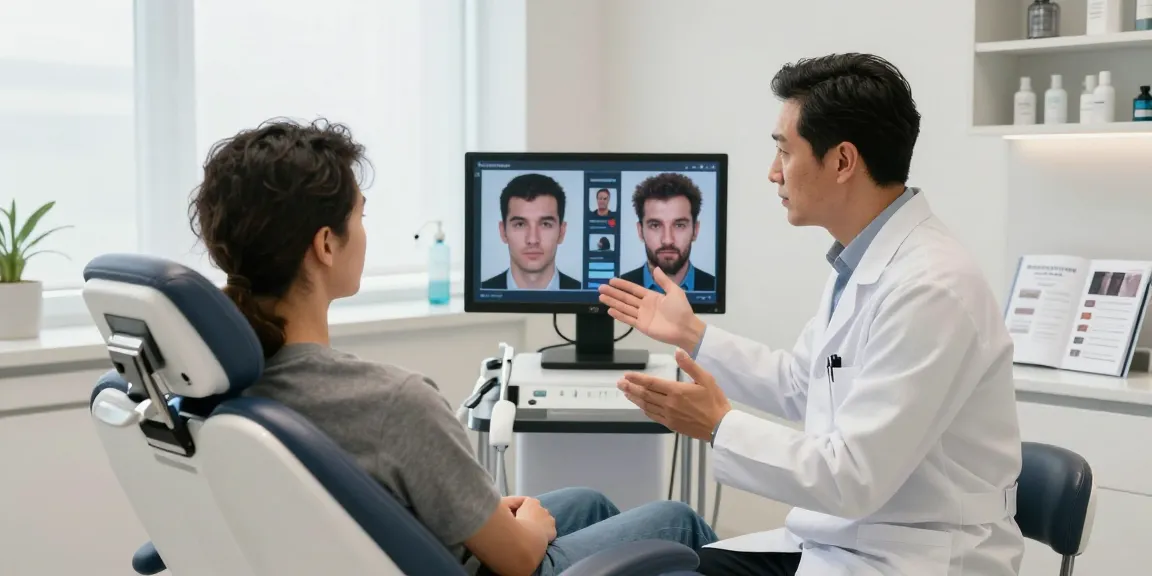
During your initial consultation, the surgeon will evaluate your hair loss condition, discuss your medical history, and outline the recommended procedure. This is an excellent opportunity to ask questions and set realistic expectations.
Pre-Operative Instructions
Your clinic will provide specific pre-operative instructions, which may include avoiding blood thinners, refraining from alcohol, and not smoking, as these factors can impact the healing process.
Understanding Costs and Financing Options
Hair transplant costs in Turkey can vary significantly based on the chosen technique, the number of grafts required, and the clinic's reputation. It is advisable to discuss all costs upfront and inquire about financing options that may be available to ease the financial burden.
The Recovery Process
Understanding what to expect during recovery after a hair transplant is vital for a smooth transition back to your daily routine.
Post-Procedure Care Tips
Following the procedure, adhere to your surgeon's aftercare instructions meticulously. Common care tips include:
- Avoiding strenuous activities for at least a week.
- Using prescribed medications to reduce pain and swelling.
- Not touching or washing the hair for the first few days.
Timeline for Hair Growth and Results
Hair growth after a transplant is gradual. Patients typically experience shedding within the first few weeks, followed by new hair growth starting around the three-month mark, with full results visible after 12-18 months.
Common Recovery Challenges and Solutions
Some patients may face challenges such as discomfort or mild swelling. Always consult your surgeon if you encounter unusual symptoms or prolonged pain to ensure a healthy recovery.
Future Trends in Hair Restoration
The hair restoration industry is continuously evolving, with new innovations and trends shaping patient experiences and outcomes.
Innovations in Hair Transplant Technology for 2026
The introduction of robotics and AI in hair transplant procedures is on the rise. These technologies promise enhanced precision and efficiency, leading to even better results.
Combining Treatments: What’s Next?
Future trends may also include combinations of hair transplant procedures with other treatments, such as PRP (Platelet-Rich Plasma) therapy, which can enhance hair growth and improve overall scalp health.
Increased Popularity of Hair Transplants in Turkey
With advancements in technology and increased awareness about the affordability and quality of treatment options, the popularity of hair transplants in Turkey shows no signs of slowing down. More individuals are seeking these procedures as they become increasingly accessible worldwide.
What are the advantages of hair transplant surgery?
Hair transplant surgery offers several advantages, including permanent hair restoration, improved self-esteem, and the ability to style hair as desired without the need for wigs or hairpieces.
How much does a hair transplant in Turkey cost?
The cost of a hair transplant in Turkey typically ranges from $1,500 to $3,000, depending on the clinic, technique, and number of grafts required.
What can I expect during recovery after a hair transplant?
Recovery involves mild discomfort, potential swelling, and a gradual return of hair growth over the months following the procedure. Most patients can return to their regular activities within a week.
Are there risks associated with hair transplants?
Like any surgical procedure, hair transplants come with risks, including infection, scarring, and unnatural-looking results, especially if not performed by skilled professionals.
How long will the results of a hair transplant last?
The results of a hair transplant are considered permanent, as the transplanted hair follicles are genetically resistant to balding. However, some patients may require touch-up sessions over time due to natural hair loss in untreated areas.